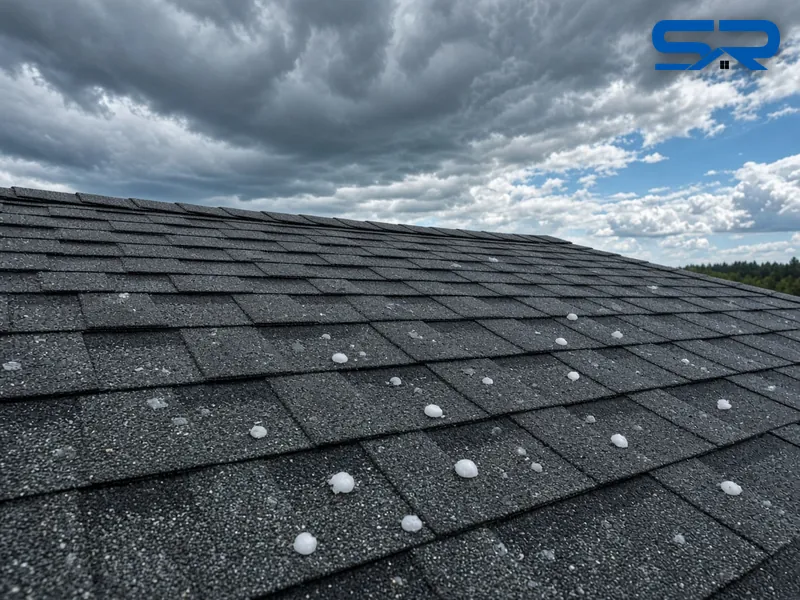
Cedar Hill's storm record
Cedar Hill is one of the oldest settlements in Dallas County. The Handbook of Texas says it was founded in the 1850s in the rolling hills of southwestern Dallas County, on a branch of the Chisholm Trail, and opened a post office in 1852. Its roof history starts badly: in 1856 a tornado hit the small community, destroyed most of its buildings and homes and killed nine people. The town recovered slowly, reached about 500 people by 1890, and the City says it incorporated in 1938. Then it took off. The population grew dramatically in the 1980s, especially after Joe Pool Lake opened next door in 1989, reaching 19,988 in 1990 and 32,093 in 2000; Census counts put it at 49,158 in 2020, with about 49,800 estimated for 2025. That means most Cedar Hill roofs went up from the 1980s on, on hillside lots, wooded lots near Cedar Hill State Park and the lake, and newer subdivisions, and many of them are now on their second or third covering. When most of a city's roofs went up in the same two or three decades, a storm hits whole neighborhoods of roofs that are the same age and built the same way, and the replacements come in waves too.
NOAA's Storm Events Database lists 27 reports of hail 1.75 inches (golf-ball size) or larger within about 10 miles of the center of Cedar Hill from 2016 through the September 2026 update. Eight of them fell within about three miles of the center, on just two storm days, and there are 10 reports of hail an inch or larger within those three miles. The biggest:
- June 12, 2023: 4-inch hail near Cedar Hill, about two miles from the center of the city; NOAA's damage estimate for that report alone is $1 million. The same storm dropped baseball-size (2.75-inch) hail near Cedar Hill State Park, tennis-ball-size (2.5-inch) hail measured about two miles west of town, two more 2-inch reports in the city, and 5-inch hail in Mansfield, about nine miles west.
- April 26, 2017: hen-egg-size (2-inch) hail in Cedar Hill, about half a mile from the center, along with two golf-ball reports at the same spot.
- April 25, 2026: hail up to 3 inches around Dallas Baptist University, about nine miles north, where NOAA notes car windows were blown out.
- June 1, 2025: 2-inch hail in southwest Dallas near Florence Hill, about seven miles north.
- May 27, 2024: 2.1-inch hail in Mansfield and 1.75-inch hail near Florence Hill, both within about 10 miles.
Cedar Hill's wind record
Cedar Hill was all but flattened by a tornado in 1856, and NOAA's event narratives show wind still doing roof damage in and around the city:
- March 4, 2025: emergency management reported that multiple homes in the Stone Hill neighborhood in Cedar Hill had roof damage, along with damaged fences and street signs, in winds estimated around 70 mph.
- October 20, 2019: an EF-1 tornado on the north side of Midlothian, about six miles south, blew out windows and damaged the roofs of several church and retail buildings, and collapsed a wall of one church building.
- January 15, 2017: a brief EF-0 tornado in southern Grand Prairie, about eight and a half miles northwest, left about 20 homes with minor roof damage.
- July 12, 2021: power lines down along Spinner Road and Stain Glass Drive in neighboring DeSoto.
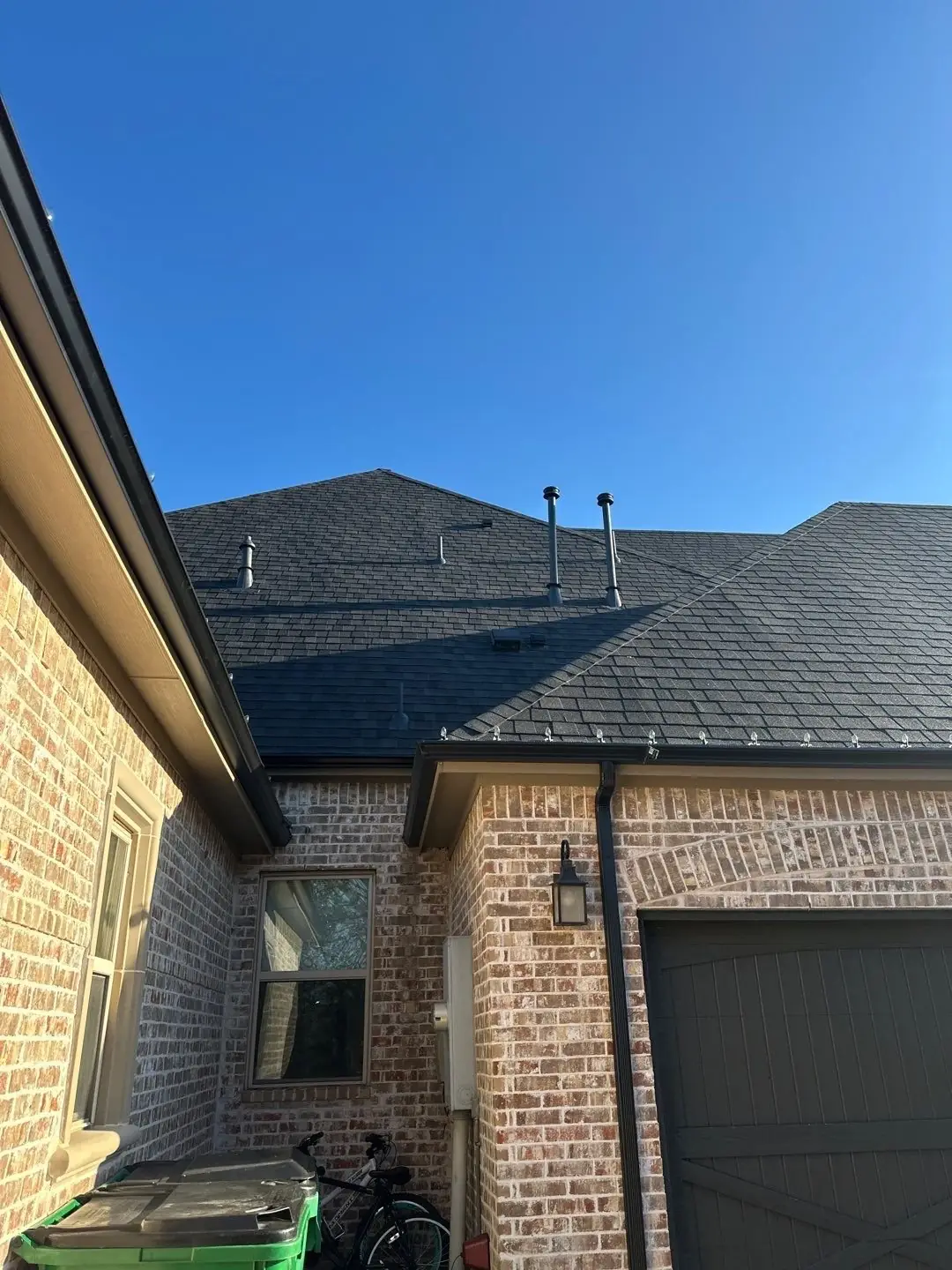
Hail and wind leave different marks. Hail bruises and fractures shingles and dents vents, gutters and metal trim; wind lifts tabs, breaks the seal strip, and strips shingles and ridge cap from the edges first. On Cedar Hill's hills, the windward slopes of a house on a ridge often take damage that the house next door, lower on the slope, doesn't. Our inspection report separates hail from wind, and separates storm damage from age and installation problems, because your adjuster will.
After a storm: what to do first
- Stay off the roof. Wet, damaged roofs are slick, and hail damage is easy to miss from a ladder anyway.
- Take your own photos of dented gutters, vents, cars, patio furniture and any water inside, with the date.
- Write down the date of the storm. Your claim runs from the date of loss, not the day you noticed the leak.
- Be careful with door-knockers. Ask any roofer for proof that they're registered with your city where it requires registration, a local office you can drive to, and a written scope before you sign anything.
- Call us for a free inspection with a photo report. We answer storm and leak calls 24/7, so call (817) 733-9228 any time.
What our storm inspection covers
We get on the roof. Hail bruising rarely shows from the yard, and a quick look from a ladder at the gutter line misses most of it. On every roof we:
- Check every slope for bruised or fractured shingles and granule loss, and photograph each hit we find
- Look at the soft metals (vents, gutters, downspouts, flashing) for dents that show how big the hail was and which way it came from
- Check the ridge, hips and starter course, where wind damage usually starts
- Look for creased, lifted or missing shingles and loose metal trim after high wind
- Check flashings, pipe boots and every penetration
- Go into the attic and check the decking wherever we see leak stains
Every inspection comes with a free digital photo report, so you see what we see. An inspection usually takes 15 to 45 minutes, and you only need to be home if there are leaks inside. If the roof is fine, we'll tell you so, and the report is yours to keep either way.
How a hail or wind claim works with us
- Stop the water. If the storm opened the roof, we tarp it or make a temporary repair. Tarping is priced by size, pitch and stories, and it's included in the claim when there is one. Keep your photos and receipts.
- Inspection and photo report. You see what we see before you decide anything.
- You decide whether to file. The claim is between you and your insurance company. If the damage is small next to your deductible, we'll say so.
- We meet your adjuster on the roof. We walk the slopes together and point out the damage we photographed, slope by slope.
- You get the insurer's scope. If it leaves out damage we documented, we give you the photos and measurements so you can ask your insurer to take another look. We don't negotiate with your insurer for you, and we never promise what an insurer will pay.
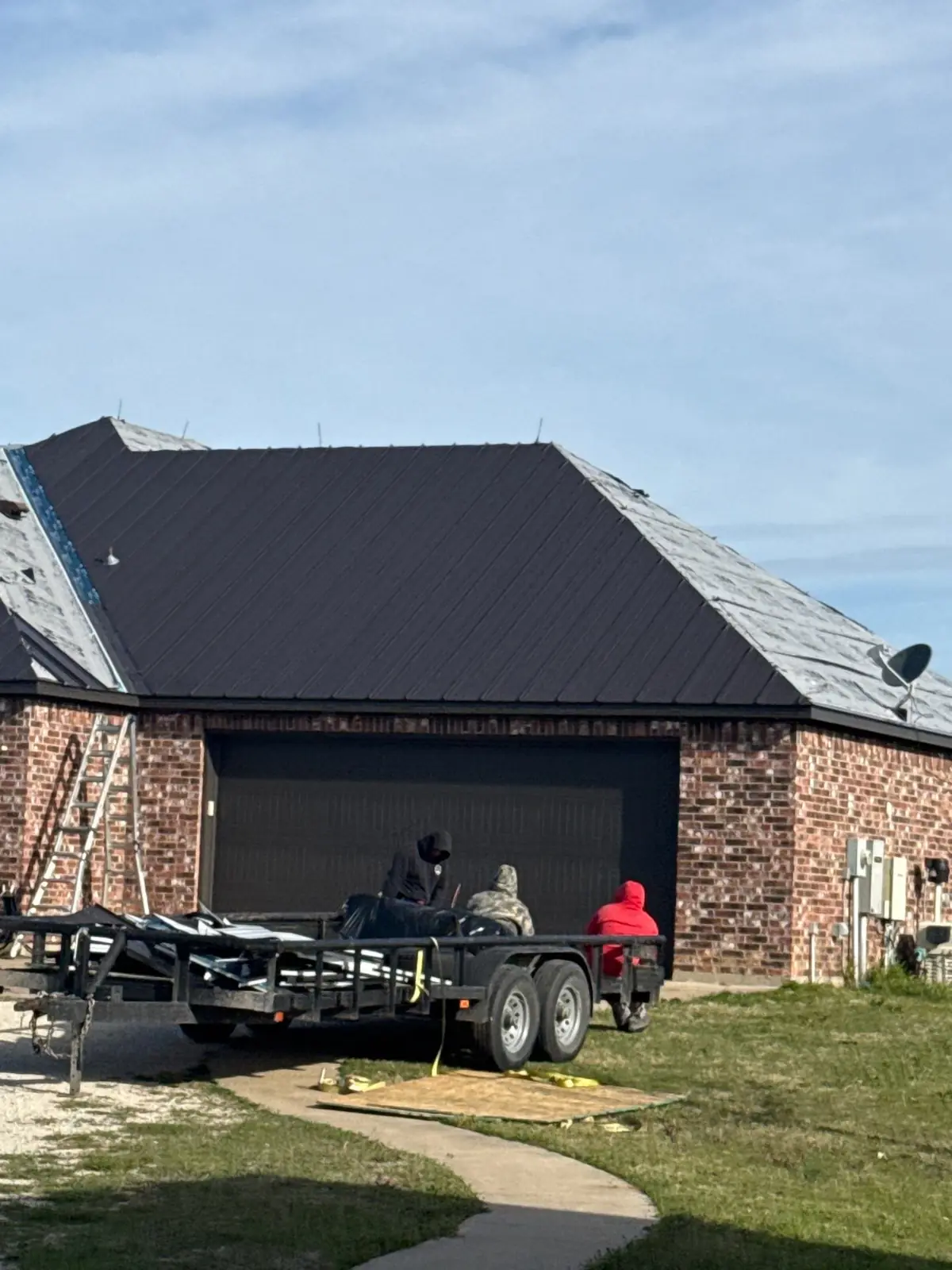
- The work. Our own crew does the repair or replacement, and we file the permit wherever the city requires one.
- Closeout. Many replacement-cost policies hold back part of the payment until the work is finished. We give you the final invoice and completion photos your insurer asks for.
If you file an insurance claim, we document the damage and meet your adjuster on the roof. Texas law requires you to pay your deductible, and a contractor may not waive, absorb or rebate it. We never will. In Texas you generally have 1 year from the date of loss to file; check your policy. We aren't public adjusters. We document the damage and build our scope from what we actually find.
City of Cedar Hill roof permit rules
Cedar Hill names roofing in its permit rule. From the City's Permit Process page: a permit is required for any construction, change in use or occupancy, alteration, and/or repair of any structure, roofing, exterior doors or windows, building, or building system. What that means for your roof:
- A permit for the roof covering. The City's permit poster lists residential roof coverings among the work that needs a permit, along with exterior door and window replacement.
- Registered contractors. All contractors doing work that needs a permit must be registered with the City of Cedar Hill; general contractor registration is $100 a year and runs January 1 through December 31. A homeowner can only be issued the permit if they own and live in the home.
- Online, through EnerGov Customer Self Service, where permits are applied for and paid and inspections are scheduled. Inspection requests go in before 4:00 p.m. the day before (972-291-5100, ext. 1093).
- Built to the 2021 International Residential Code, which the City adopted with local amendments (Ord. 2025-842) on its Adopted Codes page.
- The fee is the City's, not ours. The City's building permit fee ordinance (No. 2023-794) lists a Residential Roof permit at $100. Commercial permits are priced on the value of the work, with a commercial plan review fee of 65% of the permit fee.
Questions about a specific job go to Building Inspections at 972-291-5100, ext. 1090. We register, apply, attach the product information and schedule each inspection, and we keep the permit in our name, not yours.
What Cedar Hill's permit rule means for a claim
Cedar Hill names roofing in its permit rule and covers repair as well as replacement, so there is no paperwork-free patch. That affects the timeline more than the price. After a storm we tarp anything that's leaking, document the roof, meet your adjuster, and file the permit as soon as you approve the scope, so the paperwork runs while the materials are ordered. If the tear-off shows soft or delaminated decking, we photograph it, show you and your adjuster, put the per-sheet price in writing before we start, and add it to the permit scope. Inspections are requested by 4:00 p.m. the day before, and each one gets approved before we move to the next step.
Protecting yourself after a Cedar Hill storm
- Ask for the City registration. Cedar Hill says every contractor doing permitted work must be registered with the City; ask for proof of that and of insurance.
- Don't pull the permit yourself for a contractor. The City only issues a homeowner permit to an owner who lives in the home and does the work. The permit should be in the name of the registered contractor doing the job.
- Check with your insurer first to confirm what your policy covers before you sign with a contractor, and get a written estimate that lists the work, the materials and the total cost.
- Watch the deadline. Texas claims generally have to be filed within 1 year of the date of loss; check your policy. NOAA's storm dates on this page can help you pin down when the damage happened.
- Don't make the final payment until the final inspection is approved, and never sign anything that hands over your claim.
We document, we meet the adjuster, and we build our scope from what we find; your insurer decides what your policy pays.
Churches, schools and commercial roofs
Cedar Hill and its neighbors have a lot of church, school and retail roofs, and the 2019 Midlothian tornado showed what wind does to them. Commercial permits here are priced on the value of the work, plus a commercial plan review fee. For commercial, church and apartment owners we document each building and roof section separately, separate storm damage from age, and price a like-kind replacement and an upgrade, with 10- and 20-year NDL warranties available on commercial roofs. See commercial metal roofing and commercial roofing.
Replacing a storm-damaged roof in Cedar Hill: your options
A storm replacement is the one time a lot of owners get to choose a better roof than the one the builder put on. Here's what we install:
| Option | Why owners pick it after a storm |
|---|---|
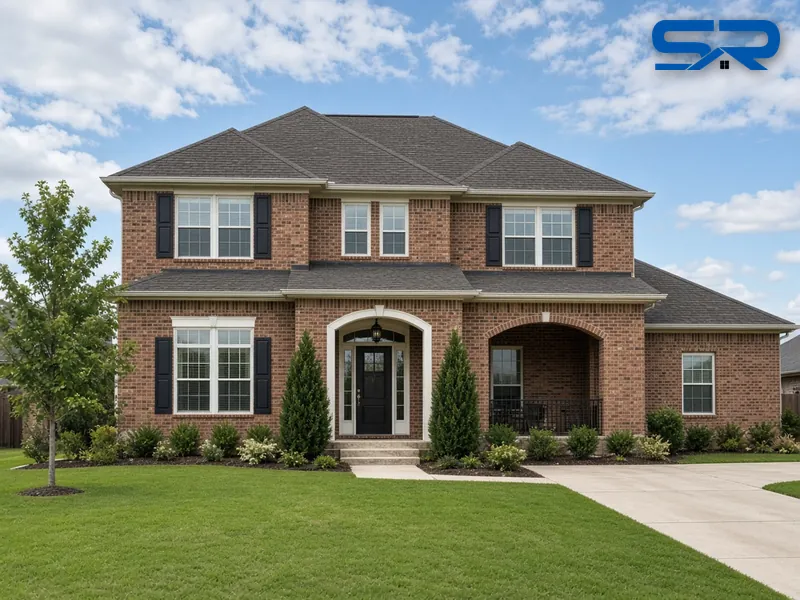
| Class 4 impact-rated shingles | The highest UL 2218 impact class, a familiar look most HOAs approve, and it may qualify for an insurer credit |
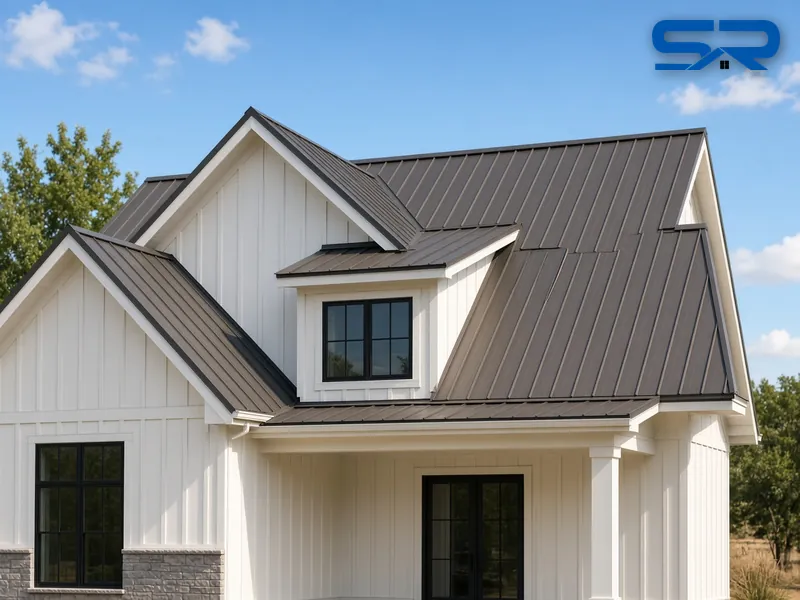
| Standing seam metal | Won't crack, curl or lose granules; hidden fasteners; 24 or 26 gauge panels formed on our own roll formers |
| Stone-coated steel and metal shingles | Steel underneath with a shake, shingle or tile look from the street |
| Designer shingles | Slate or shake looks on larger homes, Class 3 impact rating or better |
| R-panel or PBR | Shops, barns, carports and outbuildings that took hail or lost panels in the wind |
Every shingle roof we install is Class 3 impact-rated or better, with Class 4 available. No roof is hail-proof, and very large hail can dent steel, but metal usually keeps shedding water after storms that ruin shingles. More on metal in Cedar Hill: metal roofing in Cedar Hill and standing seam in Cedar Hill.
Texas insurers must offer a premium credit for UL 2218 impact-rated roofs, but each company sets its own amount, and Class 4 earns the largest. We can't promise a discount; ask your insurer for their figure in writing. After a qualifying install we fill out TDI Form PC068 for you. See the Texas impact-resistant roof discount.
With 27 golf-ball-or-larger hail reports within about 10 miles since 2016, and 4-inch hail two miles from the center of town, a replacement here is worth thinking past the next storm. Compare a Class 4 shingle in Cedar Hill, which many insurers credit, with standing seam. We price both in writing.
Replacement day
- Property protected: tarps over landscaping, and the driveway and pool covered as needed
- Tear-off down to the deck, with bad decking replaced and noted in your report
- Synthetic underlayment, ice and water protection in the valleys, and new flashings, vents and pipe boots
- The new roof installed by our own crew
- Magnet sweep for nails, final photos, and your workmanship warranty from 10 years up to lifetime, depending on the job
When your shingle has been discontinued
On older roofs the original shingle is often discontinued, so a patch won't match. We can make a temporary repair to stop the leak and document the discontinued shingle with photos for your claim. Many newer policies exclude matching or replacement for discontinued shingles, so check your policy. We don't deal or negotiate with your insurer.
Who handles hail damage and roof replacement in Cedar Hill?
Snow Roofing & Exteriors does. Here are the facts you can check before you let anyone on your roof:
- 75 years as a family roofing business, and 30 years in the business for owner Blake Snow, who is still on the roofs.
- Over $80 million in completed roofing projects, from small repairs to multi-million-dollar jobs.
- 5.0 stars on Google at all three offices: Bridgeport, Decatur and Rhome.
- Our own roll formers for standing seam and R-panel, in 24 or 26 gauge, with metal lead times that are typically 1 to 2 weeks.
- Our own crew, about 56 road miles (roughly an hour and a quarter) from Cedar Hill with our Rhome-area team, doing the tear-off and the new roof.
- Snow Roofing & Exteriors is BBB A+ rated.
See also: our Cedar Hill roofing page, metal roofing in Cedar Hill, standing seam in Cedar Hill, storm damage in Duncanville, storm damage in Grand Prairie, storm damage in Mansfield, and our storm damage hub.
Residential warranty: a workmanship warranty from 10 years up to lifetime, depending on the job, with manufacturer warranties up to lifetime. Manufacturer coverage depends on the product and brand, and on the project qualifying for that manufacturer's program. We put the exact warranty for your roof in writing.
Certified, with 30 years installing every major roofing brand, a family roofing business going back 75 years, and over $80 million in completed roofing projects. 5.0 stars on Google at all three of our offices.
Request a free inspection or call (817) 733-9228. Small repairs are welcome too.