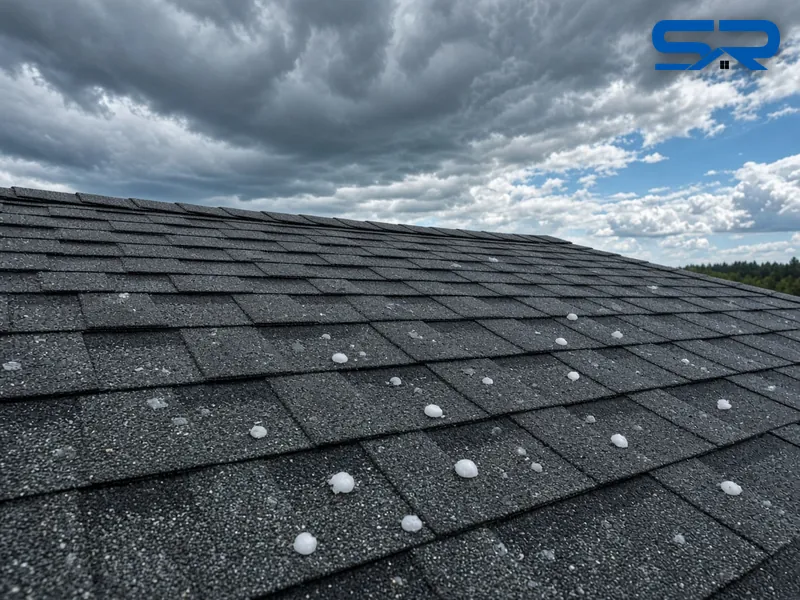
The Colony's storm record
The Colony sits on the east shore of Lewisville Lake along State Highway 121 in southeastern Denton County. It didn't exist before 1973, when the Dallas homebuilder Fox and Jacobs bought lakeside land for a planned community and named it for the Peters Colony. The first families moved in in October 1974, residents voted to incorporate in January 1977, and the lakeside community of Eastvale merged with the city in 1987. Census estimates show about 46,200 residents today. Because so many homes went up in the same years from the same plans, a storm here tends to hit whole streets of roofs that are the same age and built the same way, and the replacements come in waves.
NOAA's Storm Events Database lists 60 reports of hail 1.75 inches (golf-ball size) or larger within about 10 miles of The Colony from 2016 through the September 2026 update, one of the highest counts of any town we serve. NOAA files most reports inside the city under "Carney." The big ones:
- June 11, 2023: 3-inch hail about three miles from the center of The Colony, 3.5-inch hail about five miles northeast and 3-inch hail near Lewisville, with 1.25-inch hail right in the middle of town.
- April 13, 2019: 2.75-inch hail about a mile and a half from the center of the city.
- June 6, 2018: 2.75-inch hail near Hebron about four and a half miles south, and 1.25-inch hail under a mile from the center of town.
- March 14, 2024: 2.5-inch hail near Navo, about six miles north across the lake.
- June 2, 2026: 2-inch hail about three miles away, the most recent golf-ball-size report.
Wind off the lake: The Colony's record
For a roof in The Colony, wind is as big a story as hail. From NOAA's event narratives:
- March 8, 2016: a National Weather Service survey found a brief EF-1 tornado inside the city limits that damaged six homes; a separate report the same night described roof damage to a home in The Colony.
- June 9, 2019: amateur radio reported damage to the front door of City Hall and roof damage across the street.
- March 2, 2023: straight-line winds estimated at up to 90 mph tore metal roofing off several rows of boat docks at a marina on the southeast corner of Lewisville Lake and took the roofing off smaller buildings nearby; two RVs and a dumpster were flipped elsewhere in town.
- May 28, 2024: the City's emergency manager reported a 95 mph gust measured on a ham radio tower weather station, with trees down and an 18-wheeler overturned on Highway 121; a station at Pier 121 recorded 83 mph.
- March 4, 2025: a microburst along Highway 121 just over two miles away blew out a warehouse wall and collapsed large roof spans.
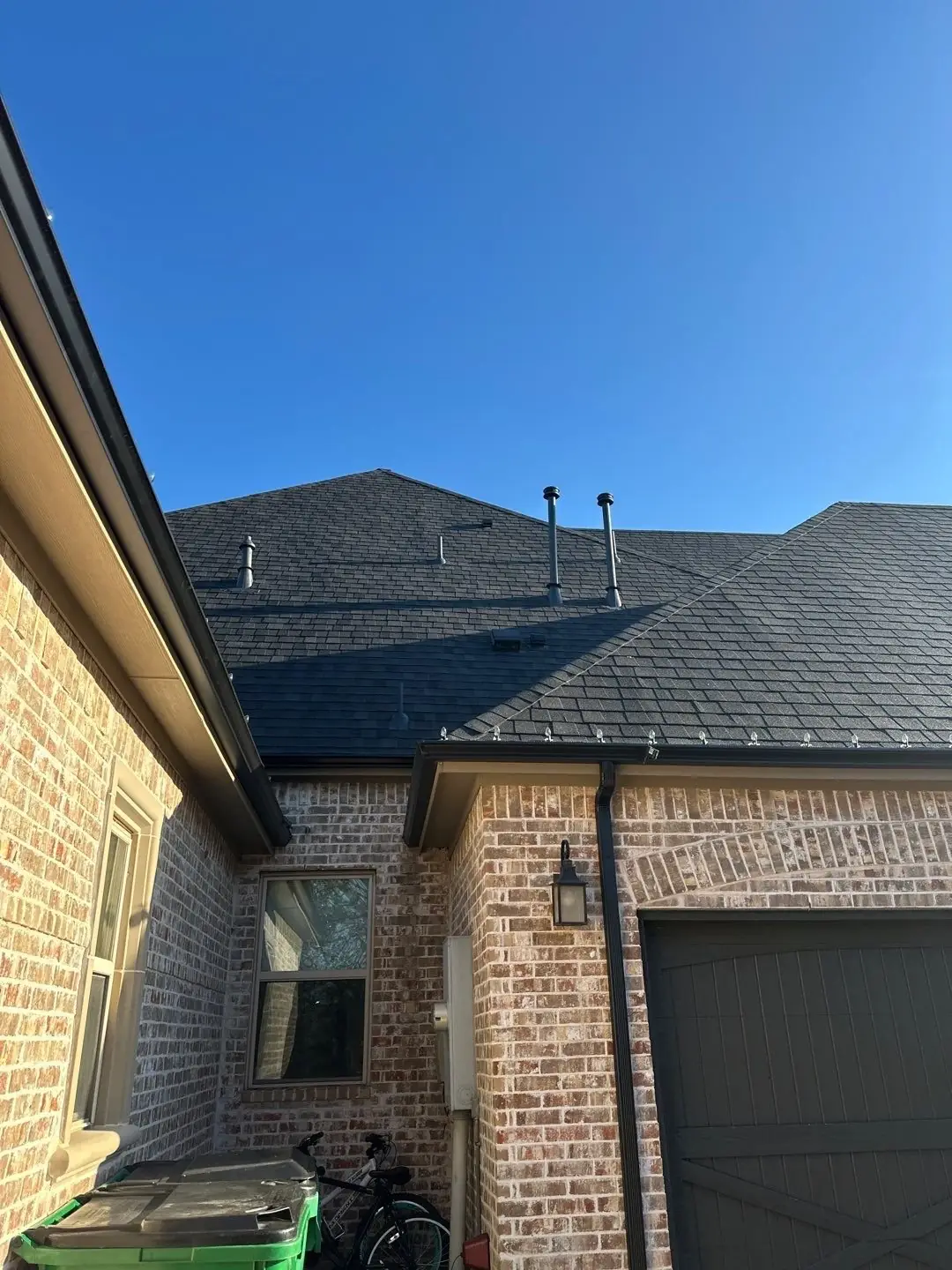
Hail and wind leave different marks. Hail bruises and fractures shingles and dents vents, gutters and metal trim; wind lifts tabs, breaks the seal strip, and strips shingles and ridge cap from the edges first. Our inspection report separates them, and separates storm damage from age and installation problems, because your adjuster will.
After a storm: what to do first
- Stay off the roof. Wet, damaged roofs are slick, and hail damage is easy to miss from a ladder anyway.
- Take your own photos of dented gutters, vents, cars, patio furniture and any water inside, with the date.
- Write down the date of the storm. Your claim runs from the date of loss, not the day you noticed the leak.
- Be careful with door-knockers. Ask any roofer for proof that they're registered with your city where it requires registration, a local office you can drive to, and a written scope before you sign anything.
- Call us for a free inspection with a photo report. We answer storm and leak calls 24/7, so call (817) 733-9228 any time.
What our storm inspection covers
We get on the roof. Hail bruising rarely shows from the yard, and a quick look from a ladder at the gutter line misses most of it. On every roof we:
- Check every slope for bruised or fractured shingles and granule loss, and photograph each hit we find
- Look at the soft metals (vents, gutters, downspouts, flashing) for dents that show how big the hail was and which way it came from
- Check the ridge, hips and starter course, where wind damage usually starts
- Look for creased, lifted or missing shingles and loose metal trim after high wind
- Check flashings, pipe boots and every penetration
- Go into the attic and check the decking wherever we see leak stains
Every inspection comes with a free digital photo report, so you see what we see. An inspection usually takes 15 to 45 minutes, and you only need to be home if there are leaks inside. If the roof is fine, we'll tell you so, and the report is yours to keep either way.
How a hail or wind claim works with us
- Stop the water. If the storm opened the roof, we tarp it or make a temporary repair. Tarping is priced by size, pitch and stories, and it's included in the claim when there is one. Keep your photos and receipts.
- Inspection and photo report. You see what we see before you decide anything.
- You decide whether to file. The claim is between you and your insurance company. If the damage is small next to your deductible, we'll say so.
- We meet your adjuster on the roof. We walk the slopes together and point out the damage we photographed, slope by slope.
- You get the insurer's scope. If it leaves out damage we documented, we give you the photos and measurements so you can ask your insurer to take another look. We don't negotiate with your insurer for you, and we never promise what an insurer will pay.
- The work. Our own crew does the repair or replacement, and we file the permit wherever the city requires one.
- Closeout. Many replacement-cost policies hold back part of the payment until the work is finished. We give you the final invoice and completion photos your insurer asks for.
If you file an insurance claim, we document the damage and meet your adjuster on the roof. Texas law requires you to pay your deductible, and a contractor may not waive, absorb or rebate it. We never will. In Texas you generally have 1 year from the date of loss to file; check your policy. We aren't public adjusters. We document the damage and build our scope from what we actually find.
City of The Colony roof permit (required since October 1, 2025)
The City's building inspections page says that as of October 1, 2025, The Colony requires a permit for roof replacement, and for siding replacement and foundation repair too. The City adopted the 2024 International codes effective July 17, 2025. Its FY 2026 fee schedule lists re-roofing a single-family home at $75 (a City fee, not our price), and work done without a permit pays double. From the City's residential re-roof requirements:
- A permit for sheathing and/or roof replacement, pulled by a contractor registered with the City. The contractor registration is $75 a year, and permits aren't issued if it isn't current.
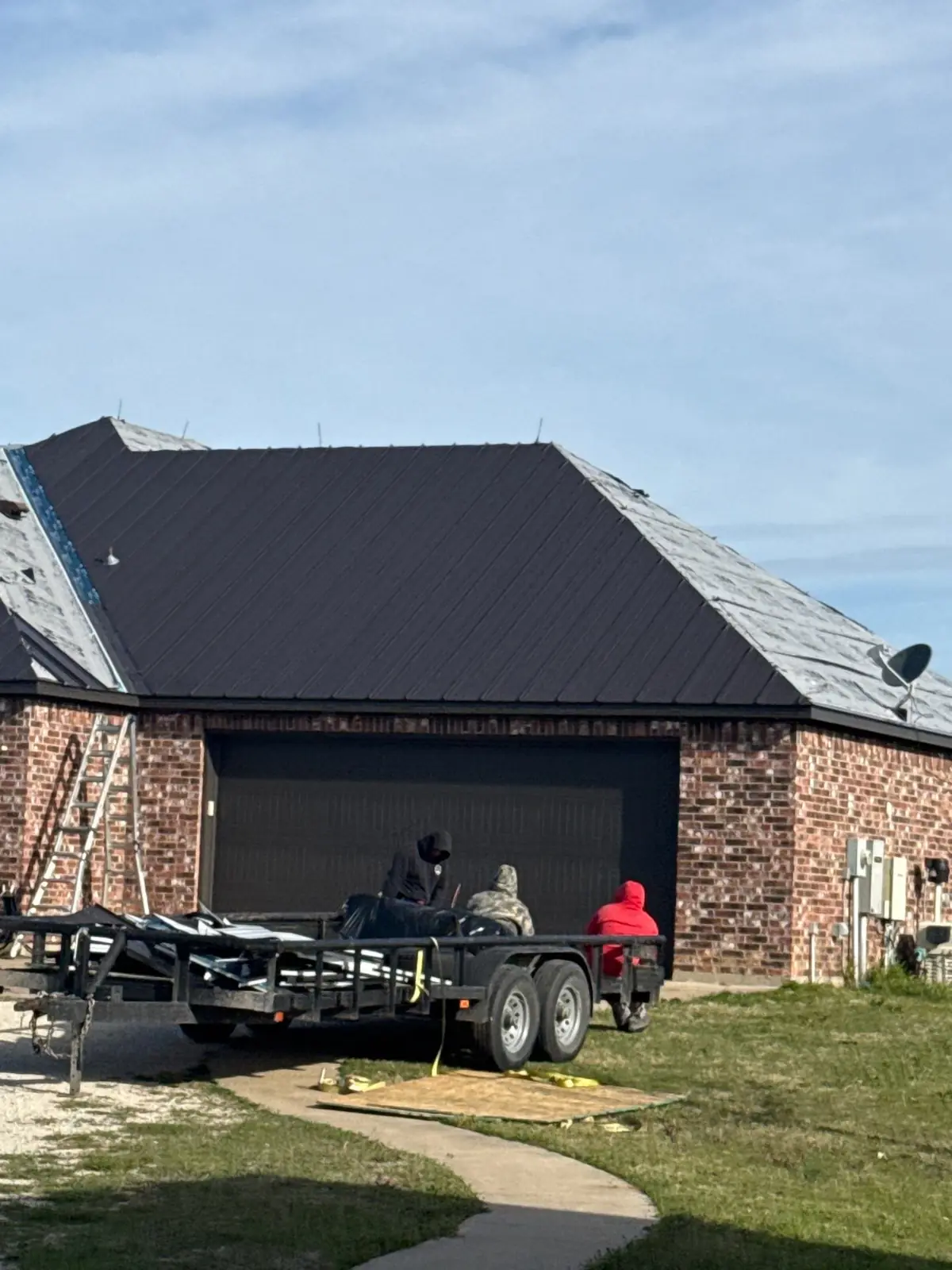
- Tear-off first. Under IRC R908 as the City lists it, the previous roof covering has to be removed before the new one is applied, and rotten decking or rafters are replaced.
- Underlayment photos. Pictures of the installed underlayment on all sides, lapped properly, can be submitted online.
- A final that includes the attic, to check vent piping through the roof, rafters and the water heater and furnace flues. A homeowner can choose a notarized waiver instead of the final inspection.
Questions about a specific address go to the City's building inspections office at 972-625-1756. We register, file, take the photos and schedule the final.
Two things in the City's rules help a claim. The required tear-off means any soft or rotten decking shows up and gets replaced and documented, and the underlayment photos we take for the City go into your file too. If the storm also damaged siding, The Colony requires a permit for siding replacement as well; we file both.
A whole street at once
After a big storm, a lot of crews show up in The Colony at the same time. Before you sign with anyone, ask whether they're registered with the City (permits aren't issued without a current registration), who pulls the permit, and whether they'll meet your adjuster on the roof. Get the scope in writing, and never sign anything that hands over your claim. We document, we meet the adjuster, and we build our scope from what we find; your insurer decides what your policy pays.
Replacing a storm-damaged roof in The Colony: your options
A storm replacement is the one time a lot of owners get to choose a better roof than the one the builder put on. Here's what we install:
| Option | Why owners pick it after a storm |
|---|---|
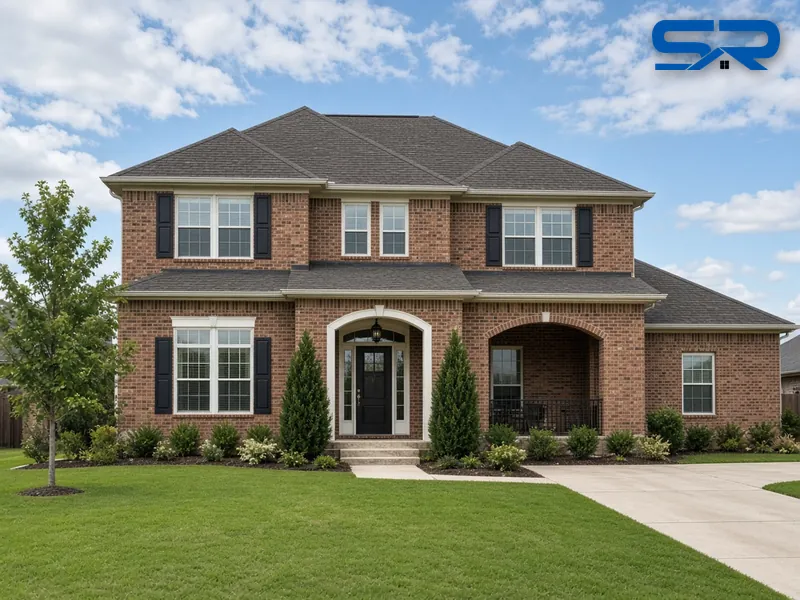
| Class 4 impact-rated shingles | The highest UL 2218 impact class, a familiar look most HOAs approve, and it may qualify for an insurer credit |
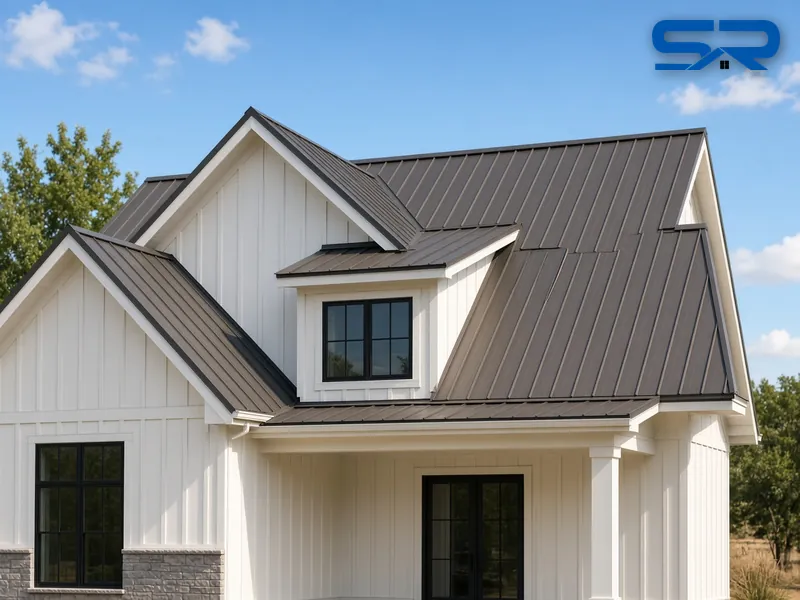
| Standing seam metal | Won't crack, curl or lose granules; hidden fasteners; 24 or 26 gauge panels formed on our own roll formers |
| Stone-coated steel and metal shingles | Steel underneath with a shake, shingle or tile look from the street |
| Designer shingles | Slate or shake looks on larger homes, Class 3 impact rating or better |
| R-panel or PBR | Shops, barns, carports and outbuildings that took hail or lost panels in the wind |
Every shingle roof we install is Class 3 impact-rated or better, with Class 4 available. No roof is hail-proof, and very large hail can dent steel, but metal usually keeps shedding water after storms that ruin shingles. More on metal in The Colony: metal roofing in The Colony and standing seam in The Colony.
Texas insurers must offer a premium credit for UL 2218 impact-rated roofs, but each company sets its own amount, and Class 4 earns the largest. We can't promise a discount; ask your insurer for their figure in writing. After a qualifying install we fill out TDI Form PC068 for you. See the Texas impact-resistant roof discount.
If you're replacing anyway, it's worth comparing a Class 4 shingle, which many insurers credit, with standing seam detailed for the lake wind. We price both in writing.
Replacement day
- Property protected: tarps over landscaping, and the driveway and pool covered as needed
- Tear-off down to the deck, with bad decking replaced and noted in your report
- Synthetic underlayment, ice and water protection in the valleys, and new flashings, vents and pipe boots
- The new roof installed by our own crew
- Magnet sweep for nails, final photos, and your workmanship warranty from 10 years up to lifetime, depending on the job
When your shingle has been discontinued
On older roofs the original shingle is often discontinued, so a patch won't match. We can make a temporary repair to stop the leak and document the discontinued shingle with photos for your claim. Many newer policies exclude matching or replacement for discontinued shingles, so check your policy. We don't deal or negotiate with your insurer.
Who handles storm damage and roof replacement in The Colony?
Snow Roofing & Exteriors does. Here are the facts you can check before you let anyone on your roof:
- 75 years as a family roofing business, and 30 years in the business for owner Blake Snow, who is still on the roofs.
- Over $80 million in completed roofing projects, from small repairs to multi-million-dollar jobs.
- 5.0 stars on Google at all three offices: Bridgeport, Decatur and Rhome.
- Our own roll formers for standing seam and R-panel, in 24 or 26 gauge, with metal lead times that are typically 1 to 2 weeks.
- Our own crew, about 46 road miles (roughly 62 minutes) from The Colony with our Rhome-area team, doing the tear-off and the new roof.
- Snow Roofing & Exteriors is BBB A+ rated.
See also: our The Colony roofing page, metal roofing in The Colony, standing seam in The Colony, and storm damage in nearby Little Elm, Lewisville and Frisco.
Residential warranty: a workmanship warranty from 10 years up to lifetime, depending on the job, with manufacturer warranties up to lifetime. Manufacturer coverage depends on the product and brand, and on the project qualifying for that manufacturer's program. We put the exact warranty for your roof in writing.
Certified, with 30 years installing every major roofing brand, a family roofing business going back 75 years, and over $80 million in completed roofing projects. 5.0 stars on Google at all three of our offices.
Request a free inspection or call (817) 733-9228. Small repairs are welcome too.