
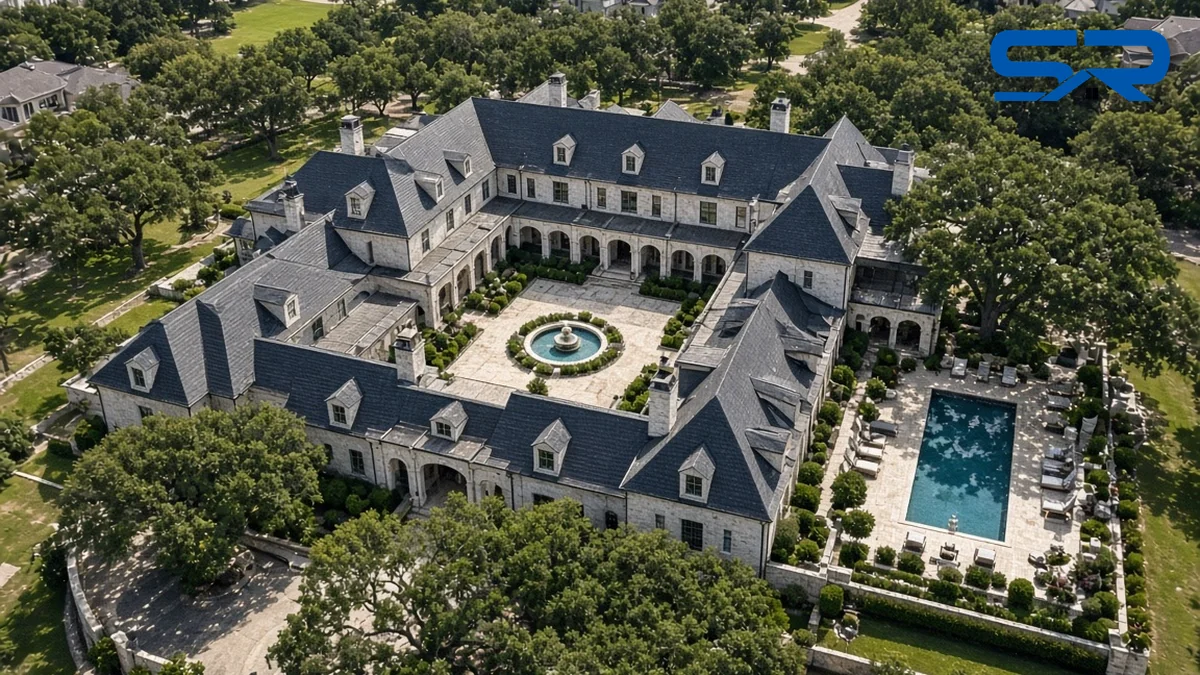
Slate, tile and standing seam reroofs on Fort Worth’s Rivercrest, Westover Hills and Tanglewood estates are a different job from a typical roof replacement. The roof is usually the most visible part of the architecture, the lots are big and wooded, the original materials can be decades old and hard to match, and the rules change the moment you cross from Fort Worth into Westover Hills.
I’m Blake Snow. I’ve been roofing for 30 years, I’m the third generation in a family business that goes back 75 years, and our crews have completed over $80 million in roofing projects. I’ve personally installed slate, tile, copper and standing seam roofs many times over, and we run our own roll formers for standing seam. Here’s how I plan an estate reroof in these three west and southwest Fort Worth neighborhoods.
The short version
- Decide first: match, repair or change. Most estate roofs should be matched like-for-like. Changing material is possible, but it’s a design decision and sometimes an approval decision.
- Save what’s sound. Good slate and clay tile can be reused. The National Park Service’s rule of thumb for clay tile is about 30 percent: past that, full replacement with matching tile is often the better answer.
- Know which rulebook you’re under. Rivercrest and Tanglewood follow the City of Fort Worth. Westover Hills is its own town, and its Town Council approves roofing materials and colors. Asphalt shingles aren’t allowed there at all.
- Plan the site before the roof. Drive access, the dumpster spot, tile and slate staging, trees, pools and landscaping decide how smoothly the job goes.
- Flash it once, flash it right. Valleys, chimneys, walls and the transitions between materials are where estate roofs leak.
If you’re only fixing a few broken pieces, start with slate roof repair or tile repair and lift-and-relay. This post is about the bigger decision: reroofing the whole estate.
Three neighborhoods, three different starting points
| Neighborhood | What’s there | What it means for a reroof |
|---|---|---|
| Rivercrest (west Fort Worth, around River Crest Country Club) | The club opened May 6, 1911 as the first club in Texas with a residential development on its land. Prairie-style, stucco Mediterranean and Tudor Revival homes, many from the 1910s through the 1930s, plus newer rebuilds | Original clay tile and slate are common on the older houses. Matching age, color and profile is the hard part. City of Fort Worth permits |
| Westover Hills (its own town, off I-30 west of downtown) | Incorporated in 1939; the Census Bureau estimates about 643 residents. Large residences on big lots, with brick or stone walls required by the town’s zoning ordinance | Town Council (or its designee) approves roofing materials and colors; no composition asphalt shingles. Its own permits and inspections |
| Tanglewood (southwest, along the Trinity) | Carved from the old Edwards Ranch by the Cassco Land Company starting in 1955, with homes from that era and many later remodels and rebuilds | More material changes here: a postwar roof being upgraded to standing seam, tile or slate as the house is remodeled. City of Fort Worth permits |
The neighborhood histories above are the same sourced facts we use on our standing seam in Fort Worth and Westover Hills pages.
Step 1: Match, repair or change?
Before anyone prices a roof, walk the whole house and sort it into one of these paths.
| Path | When it fits | What to watch |
|---|---|---|
| Repair and keep the original | Sound stone or tile; leaks at flashing, valleys or a few broken pieces | Matching replacements, careful walk paths. See natural slate: repair or replace |
| Lift-and-relay (tile) or strip and re-lay (slate) | The tile or slate is good but the underlayment or fasteners have failed | Every piece comes off, gets stored and goes back. Breakage allowance and matched spares |
| Full replacement, same material | Worn-out slate, widespread broken tile, or more than about 30% of the tile lost or damaged | Sourcing a close match for color, size and profile; deck and framing checks |
| Change of material | The original is failing and the owner wants a lighter or different roof, or a remodel changes the look | Weight, pitch and style fit; Westover Hills approval; Certificate of Appropriateness if designated |
For clay tile, the National Park Service’s Preservation Brief 30 recommends keeping and reusing as many original tiles as possible, and says that in most cases, unless matching replacements can be found, losing more than about 30 percent of the tiles may mean replacing all of them with new matching tile. It also suggests moving original tiles to the most visible slopes and putting new tile on rear or hidden areas, because even a good match can weather to a slightly different color over time.
For slate, the same idea applies: like-kind matching of size, shape, color, texture, exposure and coursing. We covered that in detail in historic slate reroofs in Highland Park and University Park.
Step 2: Matching the original materials
Slate
Sound slate can outlast several sets of flashing, so a “slate reroof” is often really a flashing and underlayment job with the original stone going back on. When new slate is needed, we match the quarry color, thickness, size and weathering, hang it with copper or stainless hooks or nail-and-bib methods, and rebuild valleys and chimney flashing, often in copper. See slate roofing in Fort Worth, slate in Westover Hills and our slate quarries and brands guide. If the framing can’t take natural slate, synthetic slate is the lighter option; compare them in synthetic vs. real slate.
Clay and concrete tile
Older Mission and Spanish-style houses often have clay barrel or S-tile; later remodels may have concrete tile. We match from current production where possible, look for salvaged tile when not, and keep the hip, ridge and rake pieces consistent with the field tile. Old handmade clay should not be patched with obviously machine-made or concrete tile. More on clay tile, tile roofing in Fort Worth and tile in Westover Hills.
Standing seam
On these houses, standing seam usually shows up in two ways: as accent roofs over porches, bays and low rear wings tied into tile or slate, or as the whole roof on a contemporary rebuild or a remodeled postwar house. Matching an existing standing seam roof means the same color and paint system, panel width, seam profile and height, and trim shapes. We form 24- or 26-gauge panels on our own roll formers to the length of each slope, and metal lead time is typically 1 to 2 weeks. See standing seam in Fort Worth, standing seam in Westover Hills and snap-lock vs. mechanical lock for low-slope sections.
Enviroshake and other composites
If a house had wood shake or the owner wants a shake or slate look without the weight, Enviroshake is an option we’re certified to install. In Westover Hills it would still need the town’s material and color approval; see Enviroshake in Westover Hills.
Step 3: Neighborhood rules and expectations
Westover Hills: the town approves the roof
The Town of Westover Hills zoning ordinance (Ordinance 09-03, Section V) says roofing materials and their color must be approved by the Town Council or its designee, and that composition asphalt shingles are not permitted in any case. The same section requires dwellings to have brick or stone walls (or another material the Council approves). The town’s building code requires a permit for any work or repairs except repairs costing $100 or less, and says permits must comply with the restrictions and covenants in the dedication of the Westover Hills Addition. The town also runs its own inspections, separate from Fort Worth.
What that means in practice: on a Westover Hills reroof, the material and color go through the town before the roof goes on, even if you’re replacing like-for-like. We confirm the town’s current steps for your scope and put together the product sheets and color samples it asks for.
Rivercrest and Tanglewood: City of Fort Worth
The City of Fort Worth’s residential permitting page says replacing decking, lathing boards, sheathing boards, rafters or ridge boards requires a building permit, filed by a registered building contractor. Slate and tile reroofs often involve deck repairs, and the city’s roofing FAQ requires drip edge and crickets when re-roofing, so we confirm the scope and pull the permit when it’s required.
If a house is in a local historic district or individually designated, Fort Worth’s historic preservation program requires a Certificate of Appropriateness before permits for exterior changes, including roofing. We check the address first. Not every older house is designated, but you want to know before you pick a new material.
Deed restrictions and neighbors
Many older Fort Worth additions have deed restrictions or neighborhood associations of their own. Read yours before you change the material or color, and give the neighbors a heads-up about delivery days. On a big estate reroof, being a good neighbor is part of the job.
Step 4: Staging on a large, wooded lot
Big lots sound easy to work on. They often aren’t: long drives, mature oaks over the roof, pools, courtyards, stone walks and finished landscaping all sit right where a crew wants to put material.
| Staging item | What I plan before day one |
|---|---|
| Dumpster spot | Fort Worth’s zoning code (Sec. 5.301) allows a temporary dumpster for 30 days, or up to 180 days or the life of an active building permit, whichever is less. In a front yard it must be on a paved driving or parking surface and may not encroach into the street right-of-way. We put boards under it to protect the drive |
| Tile and slate delivery | Where pallets land, how they get to the roof, and where removed pieces are stored, labeled by slope so they go back where they came from |
| Walking the roof | Slate and high-profile tile break under the wrong step. Preservation Brief 30 describes plywood or planks to spread the load and ladders hooked over the ridge; we use roof ladders, pads and planned walk paths, and fly a drone over areas that aren’t safe to walk |
| Trees | Branches over the roof get trimmed back by your arborist before we start, so they don’t scrape new tile or hold debris in the valleys |
| Pool, courtyard and landscaping | Covers on the pool, tarps and plywood over beds and stone, and a catch plan for every eave above them |
| Long runs of metal | With our own roll formers, standing seam can be formed on site to the length of each slope, which needs a flat, reachable spot near the house |
| Phasing | Big estates can be done slope by slope or building by building, so the house stays dried in every night |
We can phase the work around your schedule, and we carry insurance certificates for owners and property managers who ask for them.
Step 5: Flashing and transitions
On estate roofs, the material usually outlasts the details around it. On every reroof we look at:
- Valleys: open copper or metal valleys on slate and tile, sized for the roof area above them. See copper flashing, valleys and gutters on slate and tile.
- Chimneys and walls: step flashing and counter-flashing that sheds water, not caulk.
- Material transitions: where standing seam porch roofs meet tile or slate, the pieces at the joint have to come off and go back without breaking, with flashing under them.
- Underlayment and battens: on tile, the underlayment does most of the waterproofing. See clay tile reroofs: underlayment and battens.
- Gutters: big roofs dump a lot of water. See gutter services.
Hail on the west side of Fort Worth
NOAA’s Storm Events Database lists 36 reports of hail 1.75 inches (golf-ball size) or larger within about 10 miles of River Crest, 38 around Tanglewood and 36 around Westover Hills from 2016 through the September 2026 update. The largest nearby was 3-inch hail on October 10, 2019, near the Carswell air base, and the most recent big day was April 25, 2026, with 2.75-inch hail near Hodge in north Fort Worth and 2.25-inch hail near Benbrook.
Slate and clay tile can crack in hail that size, concrete tile can crack or lose its surface, and very large hail can dent standing seam. After a storm we document every slope with photos and a drone report that separates fresh breaks from old ones, and meet your adjuster on the roof. In Texas you generally have 1 year from the date of loss to file a claim; check your policy. Read tile roof hail check after a storm for what we look for.
What drives the cost
I don’t quote estate roofs off a satellite photo. What moves the number is the roof area and how cut-up it is, pitch and height, the material and how hard it is to match, how much original slate or tile can be reused, deck and framing repairs, copper or metal flashing, access and staging on the lot, and approvals. For metal, the standing seam cost guide walks through each factor. We price repair, re-lay and replacement side by side so you can see the difference.
12 questions to ask before you sign
- Will you repair, re-lay or replace, and why? Show me on the photos.
- How much of the original slate or tile can be reused, and how will it be labeled and stored?
- Where will matching material come from: current production, salvage or a hidden slope?
- What’s the breakage allowance, and how many spare pieces will I keep?
- Is my address in Westover Hills or Fort Worth, and who handles the approval and permit?
- Is the house in a Fort Worth historic district or individually designated?
- Do my deed restrictions or neighborhood association limit material or color?
- Will the deck or framing be checked, and how are repairs priced?
- What metal goes in the valleys and flashing, and is it copper?
- Where does the dumpster go, and how will you protect the drive, pool and landscaping?
- If standing seam is involved, what gauge, panel and seam, and is it formed on your own roll formers?
- What’s the workmanship warranty, in writing?
Areas we serve
We reroof slate, tile and standing seam estates across Fort Worth, Westover Hills, Westworth Village, Benbrook and the rest of North Texas. See metal roofing in Fort Worth, tile roofing and slate roofing. For a full metal overview, read Fort Worth metal roofs for homes.
Let’s walk the estate
We’re certified with GAF, CertainTeed, Owens Corning, Atlas, Johns Manville, Carlisle, Tropical Roofing Products, Mule-Hide and Enviroshake, and many other roof manufacturers. Snow Roofing & Exteriors is fully insured, has offices in Bridgeport, Decatur and Rhome, is BBB A+ rated, and has 5.0 stars on Google at all three offices: Bridgeport, Decatur and Rhome. References are available on request. Our workmanship warranty runs from 10 years up to lifetime, depending on the job. Our drone pilot is FAA certified.
Call (817) 733-9228 or request an estimate. I’ll walk the roof and the lot with you, sort out what can be saved, check which rulebook your address falls under, and lay out repair, re-lay and replacement options side by side.